Sarawak is no longer content to be a footnote in Malaysia's tourism story. With Kuching set to host the 2026 PATA Travel Mart, the state is aggressively repositioning itself as the primary gateway to Borneo, challenging the dominance of Peninsular Malaysia's established hubs.
The numbers back up the ambition. In 2025, Sarawak welcomed 4.97 million arrivals—just shy of its historic target—and generated a record RM12.67 billion in tourism revenue. That momentum is set to build through Visit Malaysia Year 2026, with the state leveraging a mix of infrastructure investment, air connectivity, and a focus on sustainable, high-value travel.
Connectivity and infrastructure as catalysts
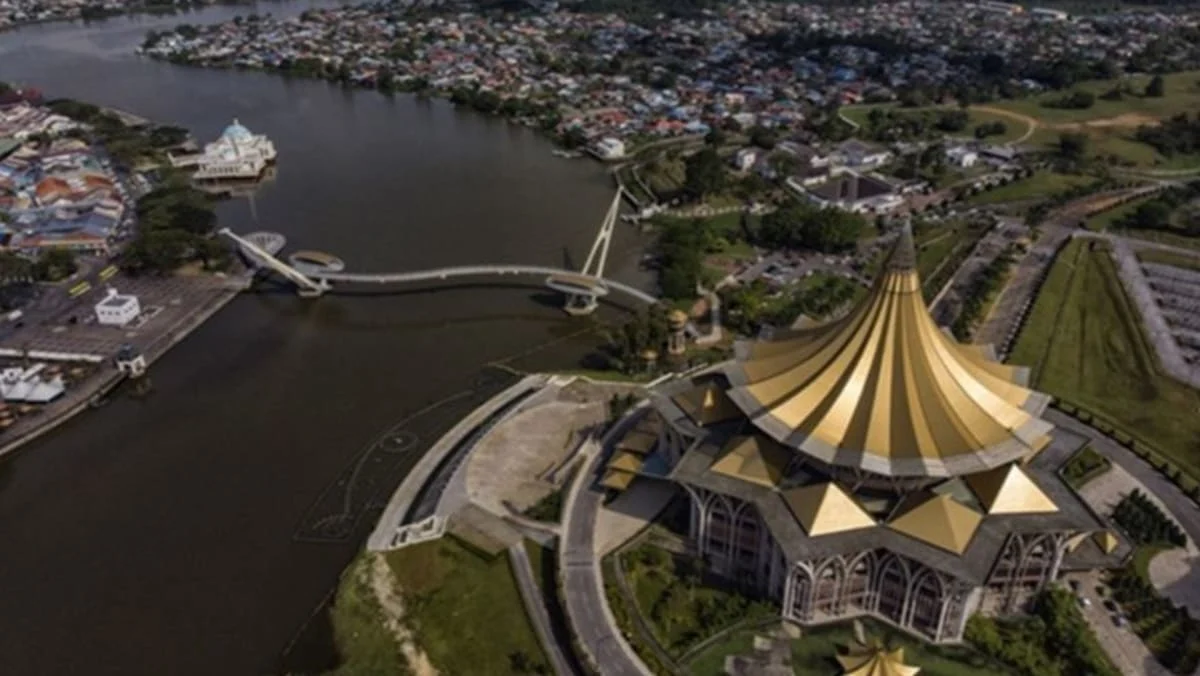
A key pillar of Sarawak's strategy is aviation. The state's acquisition of regional carrier MASwings is already boosting flight frequencies from West Malaysia and key ASEAN hubs, while AirBorneo's regional expansion is opening new routes. These moves are complemented by upgraded overland road networks, including the new longest river bridge in Malaysia, which has spurred a steady flow of land-based visitors from Brunei and East Kalimantan.
The infrastructure push extends beyond transport. The Borneo Convention Centre Kuching is being expanded to accommodate up to 10,000 delegates, positioning Sarawak as a serious player in the MICE segment. This is a deliberate move to attract business events that can use the state's natural and cultural assets as an experiential laboratory.
Sustainable tourism as a differentiator
Sarawak is also carving out a niche in responsible travel. Rather than chasing mass tourism, the Sarawak Tourism Board is cultivating community-based ecotourism with carefully managed capacities in sensitive areas like the Bario Highlands and Gunung Lesong. In Kuching, the introduction of Malaysia's first fleet of hydrogen-powered transit buses underscores the state's commitment to green mobility.
Conservation remains a cornerstone. Alongside the UNESCO-listed Mulu National Park, the Sarawak Delta Geopark is undergoing formal evaluation for UNESCO Global Geopark status, a move that would further burnish the state's eco-credentials.
Diversifying beyond nature
Sarawak is also expanding its appeal in high-spending niches. The Rainforest World Music Festival continues to draw international audiences, while media partnerships like the AXN Ultimate Challenge: Sarawak reality series are raising global visibility. As a UNESCO Creative City of Gastronomy, the state is leveraging its culinary heritage—from Sarawak Laksa to sustainable Empurau fish farming—to attract food-focused travellers, building on the regional food map initiative.
This diversification is paying off. While Kuala Lumpur and Penang remain strongholds for shopping and heritage tourism, Sarawak is capturing the lucrative market for meaningful, sustainable travel. The state's political will, targeted investment, and rich biodiversity are converging to make it Malaysia's next regional growth driver.
For travel professionals, the message is clear: Sarawak is no longer a side trip. It is a destination in its own right, with the infrastructure, strategy, and events to back it up. As Kuching prepares to host the PATA Travel Mart, the state is set to take centre stage in the region's tourism landscape.