Cycling is no longer just a local commute option; it has become a strategic asset for urban tourism. According to Booking.com, 46% of travellers now plan to use greener transport methods, a shift that is reshaping how cities market themselves and how tour operators design itineraries. For travel professionals, this trend signals a growing demand for bike-friendly destinations and infrastructure that supports slow, immersive exploration.
From Seattle to Doha: cities investing in bike networks
Seattle’s Burke-Gilman Trail, a 20-mile route, lets cyclists traverse the city’s diverse neighbourhoods, from the University District to Ballard’s breweries. Meanwhile, Doha’s Qatar Bicycle Master Plan is connecting over 3,800 km of bike paths to metro stations, making cultural landmarks like the Museum of Islamic Art accessible without a car. These projects are not just about recreation; they are deliberate tourism strategies to reduce congestion and enhance visitor experience.
Denver offers traffic-free corridors along Cherry Creek and the South Platte River, linking downtown to the suburbs. Valencia’s extensive bike lanes provide a scenic ride from the Turia Garden, a former riverbed turned park, to the Mediterranean coast. Such routes allow tourists to see cities beyond the typical hotspots, a key selling point for agents crafting custom trips.
Cultural and culinary cycling experiences
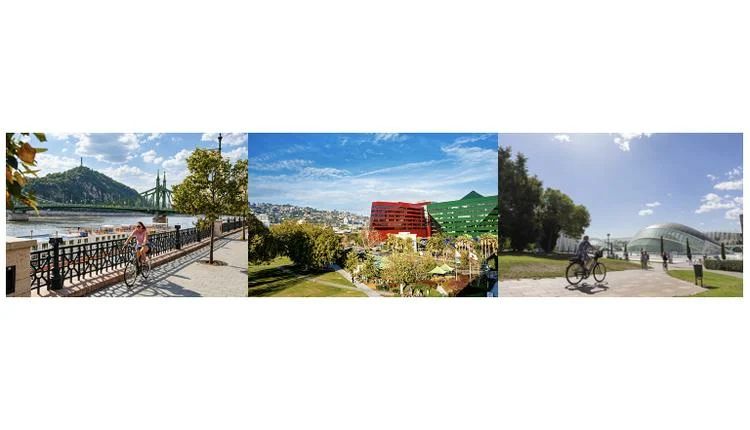
West Hollywood’s bike tours highlight the city’s creative heritage, from the Sunset Strip to the Pacific Design Center. St. Louis’s Forest Park and Mississippi Greenway offer expansive green spaces and historic sites, while Arizona’s cycle-friendly roads and Budapest’s MOL Bubi bike-share scheme provide picturesque urban and natural landscapes. These offerings cater to travellers seeking authentic local encounters, a trend noted in Indian travellers prioritising local experiences.
Memphis’s Shelby Farms Greenline and Houston’s Tour de Brewery combine cycling with local attractions, appealing to food and craft beer enthusiasts. Aspen and Snowmass Village offer free bike-share schemes for exploring mountain towns, a model that could be replicated in other resort destinations. Zurich’s cycling infrastructure, including the Stadttunnel, facilitates easy navigation, while Pittsburgh’s Three Rivers Heritage Trail showcases vibrant neighbourhoods and riverfronts.
Implications for the travel industry
For hoteliers and destination managers, investing in bike amenities—secure storage, rental partnerships, and route maps—can differentiate their offerings. Tour operators can package cycling tours with cultural stops, as seen in Asia’s top dance festival destinations, which blend active transport with local events. Cruise lines and airlines might also consider partnerships with bike-share programs to offer seamless shore excursions or city layovers.
The rise of cycling tourism aligns with broader sustainability goals, but it also presents operational challenges. As fuel cost surges tighten margins, cities and companies are looking for cost-effective ways to promote green travel. Bike infrastructure is relatively low-cost compared to road expansions, making it an attractive investment for municipal tourism boards.
For travel advisors, recommending bike-friendly cities can enhance client satisfaction, especially among eco-conscious travellers. The trend also intersects with travellers using AI for trip planning, as digital tools can now map bike routes and integrate them into itineraries. As urban cycling networks expand, they offer a compelling way to experience cities sustainably—a message that resonates with modern travellers.
In conclusion, the shift toward cycling tourism is not a passing fad but a structural change in how urban destinations are consumed. By embracing bike-friendly policies, cities can attract a growing segment of travellers who value sustainability, health, and authentic local experiences. For the travel trade, adapting to this trend means offering products that align with these values, from guided bike tours to hotel partnerships with bike-share schemes.