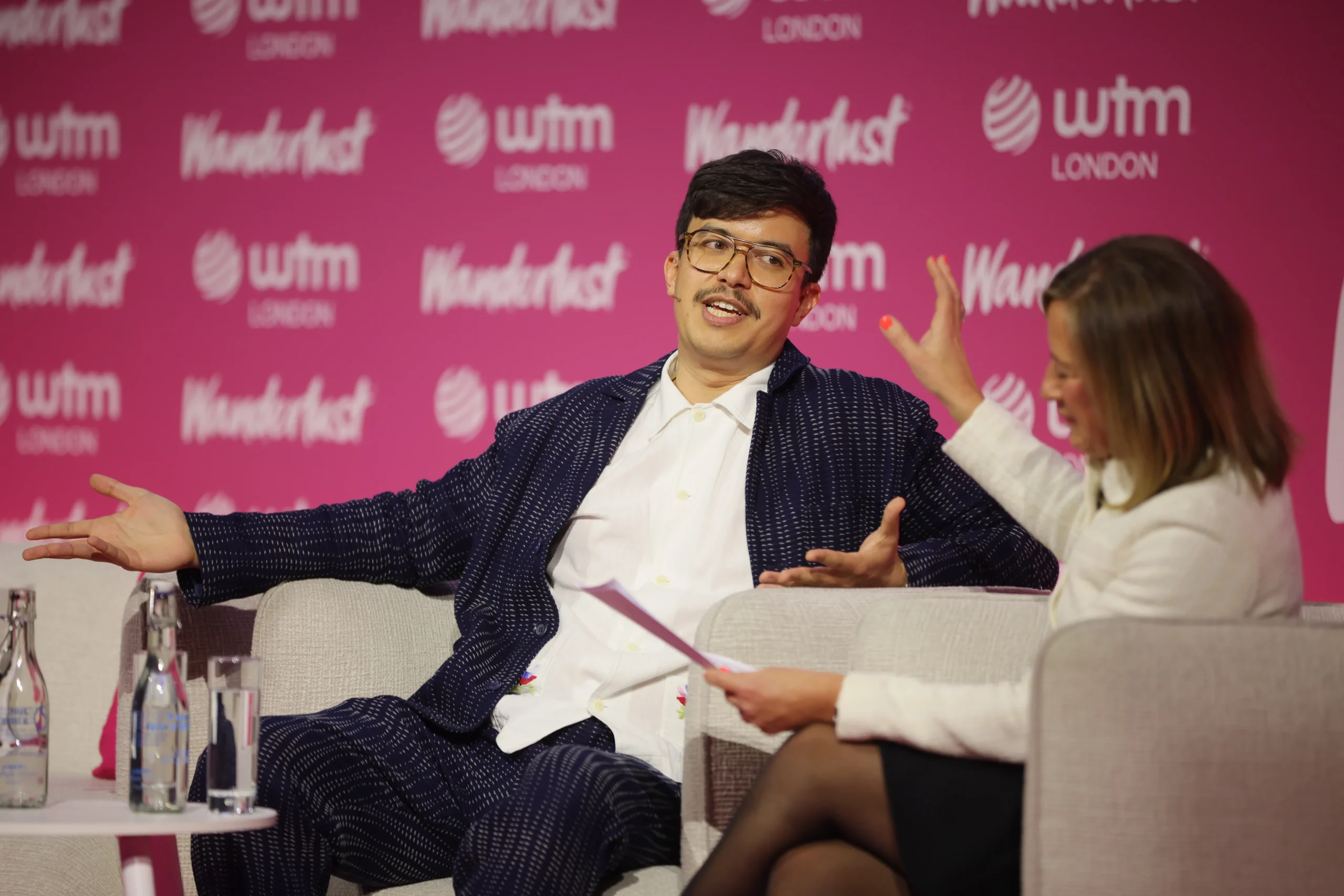
As the final exhibitors dismantled stands at ExCeL, WTM London 2026 closed with more than the usual post-show optimism. The event delivered a 50 percent year-on-year increase in accredited buyer attendance, according to organisers, and a clear agenda for an industry wrestling with rapid technological change and shifting consumer expectations.
For airline executives, hoteliers, cruise lines, and tour operators, the message was consistent: agility and authenticity will separate winners from laggards. The days of treating travellers as broad demographic blocks are over, and the integration of artificial intelligence into the booking journey is no longer optional.
Demographics: a blunt instrument
Several industry leaders used the London stage to challenge conventional market segmentation. Abi Best, managing director of Lemongrass Marketing, argued that age-based categories obscure real consumer intent. “A woman aged 30 may have more in common with an 80-year-old depending on where their interests are,” she said. “You need to be really specific and relevant to your audience.”
Sophie Buxton, head of marketing for the UK and Europe at Intrepid Travel, offered a memorable comparison: “By age, geography, and wealth, King Charles III and Mick Jagger could be placed in the identical demographic bracket, yet they clearly possess vastly divergent holiday inclinations.” The remark drew nods from agents and DMOs alike, reinforcing the need for interest-led, not age-led, targeting.
AI compresses the booking funnel
Technology took centre stage in a packed Future Stage session. Luke Sun of AI-native startup Voyada demonstrated a live, prompt-driven booking of a 10-day South Korea itinerary—flights, hotels, and ground transfers—completed in seconds. The audience, many of them traditional travel agents, watched as conversational AI collapsed what once took hours of manual searching.
Jesse Bolduc of B2B consolidator TripToGo, a partner in the demo, framed the shift in stark terms: “Traditionally, agents had to search through the catalogue to get the right trip. With Voyada, we bring the inventory to the customer. AI has changed travel and there is no going back.”
The demonstration echoed broader trends highlighted at the show, including Gen Z’s growing trust in AI for travel planning. For agencies and tour operators, the implication is clear: invest in AI-driven distribution or risk losing relevance with a generation that expects instant, personalised options.
Authenticity and sustainability take root
Amid the tech frenzy, human-scale entrepreneurship and responsible tourism remained central. Louise Truman, founder of group travel specialist Plotpackers, recounted scaling her business from early trade-hall inspiration to venture backing. Her advice to founders was blunt: replace outdated spreadsheets with robust digital infrastructure, and “never sell yourself short; have the confidence of a mediocre man.”
On sustainability, Debbie Hindle, chair of the International Centre for Responsible Tourism Global, urged brands to move beyond sterile eco-labels. “Sustainability should be innate: we ought to tell consumers about the lived experience and genuine emotion, rather than slapping a sterile label on it,” she said. The sentiment resonated with destination marketers, many of whom are rethinking how to communicate climate action without alienating travellers.
That push for authentic storytelling aligns with other WTM themes, including broadcasters’ advice to sell real outdoor experiences rather than staged backdrops. For cruise lines and expedition operators, the same principle applies—especially as polar expedition cruising surges amid climate-driven operational changes.
Looking ahead
As delegates left ExCeL, the consensus was that WTM London 2026 marked a turning point. The event’s record buyer numbers signal renewed confidence, but the conversations pointed to a more demanding, tech-savvy traveller. For airlines like Saudia, which used the show to announce its premium economy debut on 787s in 2027, and for hotel groups and DMOs, the takeaway is the same: adapt quickly, stay authentic, and let data—not stereotypes—guide the way.