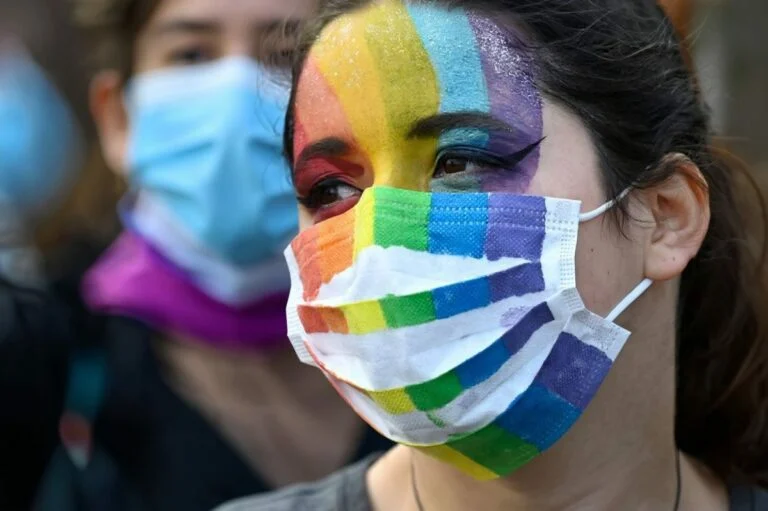
Booking.com has released its 2025 Travel Proud Research Report, revealing that a significant majority of Australian LGBTQ travelers choose to conceal their identity while traveling internationally. The survey, which polled over 13,000 travelers globally including 1,000 Australians, found that just 36% of Australian LGBTQ respondents are open about their identity when abroad, compared to 69% who are out with close friends at home.
Safety Concerns Drive Concealment
The report highlights safety as the primary factor influencing these decisions. 44% of respondents indicated they would hide their identity to visit a dream destination. More than half of LGBTQ Australians take additional precautions: 24% share live location updates, 21% use VPNs, and 15% delete dating apps before crossing borders. Trans travelers report heightened anxiety, with 48% expressing increased travel concerns in recent years.
This data underscores a persistent challenge for the travel industry: ensuring that destinations and accommodations are genuinely inclusive. The findings align with broader trends in travel technology, where AI agents are increasingly handling hotel bookings, potentially offering personalized recommendations for LGBTQ-friendly properties.
Positive Experiences and Inclusive Signals
Despite the challenges, 84% of Australian LGBTQ travelers reported at least one positive identity-related travel experience in the past year. Visible signs of inclusivity—such as Pride flags, gender-neutral bathrooms, and diverse staff representation—make a significant impact. Technology also plays a role: 65% use AI to plan trips, and 44% find it effective in locating niche LGBTQ-friendly spots.
Todd Lacey, Regional Manager Oceania and Korea at Booking.com, emphasized the importance of the company's Travel Proud program, which trains accommodations to better welcome LGBTQ travelers. Nearly 7,000 Australian properties have completed the training, contributing to over 142,000 globally. Lacey stated, "Our goal is to ensure every traveler feels safe and respected, regardless of where they go."
Industry Implications
For travel professionals—from hoteliers to tour operators—the report serves as a call to action. Destinations like Sydney, known for its Mardi Gras, and airlines such as Qantas, which has a strong LGBTQ inclusion policy, can serve as benchmarks. However, the data suggests that even in progressive markets, travelers remain cautious. The rise of AI agents reshaping travel dynamics could help bridge this gap by offering tailored, safe recommendations.
The report also notes that 65% of LGBTQ Australians use AI for trip planning, a trend that travel-tech vendors should monitor. Platforms like Fliggy and Booking.com are already leveraging AI to enhance user experiences, but ensuring these tools surface inclusive options is critical.
As global travel rebounds, the industry must address these concerns. The surge in bookings to North American host cities for major events highlights the need for inclusive infrastructure. Similarly, the demand for flexible bookings amid geopolitical anxiety mirrors the need for adaptable, safe travel options for LGBTQ travelers.
In conclusion, Booking.com's report is a reminder that inclusivity is not just a marketing tagline but a business imperative. For travel agents and operators, understanding these dynamics can unlock loyalty from a demographic that values authenticity and safety above all.