For decades, East Asian destinations have sold visitors on experiences—temples, street food, neon skylines. But a growing number of tourism boards and private stakeholders are realising that the real value lies in something less tangible: intellectual property. By treating local culture, heritage, and creative output as a portfolio of licensable assets, destinations can secure exclusivity, protect authenticity, and drive higher yields.
Gastronomy gets a legal framework
Culinary travel remains one of the region's biggest draws, yet signature dishes and regional products are often copied or diluted. Geographical Indications (GIs) offer a solution. Japan's Kobe beef is a prime example: strict GI rules ensure that only beef from Hyogo prefecture's Tajima cattle can carry the name. Similar protections for regional spirits, teas, and produce allow hoteliers and tour operators to build premium, origin-verified culinary itineraries that justify higher price points.
Centralising these assets in regional registers also helps travellers verify authenticity before they book. Singapore's hawker centres, for instance, have become a cultural touchstone, but their UNESCO listing was just the start—ongoing efforts to preserve and certify these food institutions are key to maintaining their appeal. See how Singapore is preserving hawker culture.
Pop culture as a licensing engine
Japan's anime, South Korea's K-pop, and regional gaming franchises have been unofficial marketing machines for nearly three decades. Now, destination marketing organisations (DMOs) are formalising those ties. The practice of seichijunrei—anime pilgrimage—shows the commercial power of structured IP deals. By licensing characters from studios like Kyoto Animation or Toei, local transit authorities and tourism boards can create interactive transit passes, location-based apps, and signage that draw fans to specific sites.
Digital integration is also growing. Licensing historical districts for recreation in games like Assassin's Creed or Pokémon GO can spark interest among younger travellers long before they book a flight. South Korea's K-Royal Culture Festival, which blends palace tours with K-pop performances, is another example of how pop culture and heritage can be packaged for international audiences. Tickets for its autumn edition open September 4—see festival details here.
Protecting heritage with collective marks
Indigenous crafts, traditional architecture, and centuries-old festivals are vulnerable to commercial misappropriation. Mass-produced replicas can erode brand value and undercut local artisans. Collective trademarks offer a defence. The Philippines' T'nalak textiles, woven by the T'boli people, are protected through community-owned marks, ensuring revenue flows back to the weavers. Similar models could certify Japan's ryokans or South Korea's hanoks, creating a trust-backed premium tier of accommodation that promises authenticity.
Co-branding and cross-border partnerships
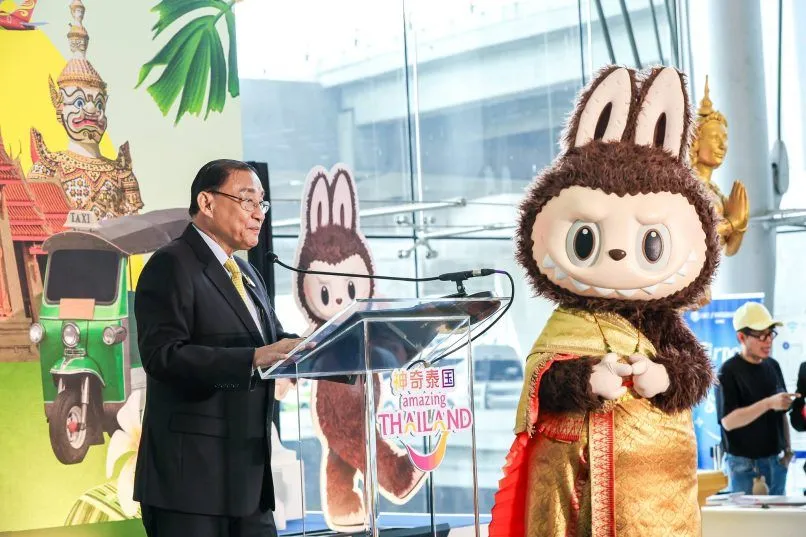
Destinations don't have to market in isolation. Cross-industry licensing—pairing a region with a global luxury brand or tech platform—can amplify reach while safeguarding visual identity. Limited-edition goods co-created with fashion houses or consumer brands act as mobile billboards. At the same time, tourism bodies must treat campaign slogans, event names, and mascots as core IP. Registering these sub-brands prevents unauthorised merchandise from diluting equity, keeping control and revenue in the destination's hands.
This strategic shift is already visible in markets like Singapore, where the tourism board is prioritising yield over sheer arrival numbers. See how Singapore is rebalancing its strategy. Similarly, Vietnam's new MICE push aims to compete with regional hubs by leveraging its culinary and cultural assets. Read about Vietnam's MICE plan.
The message for travel professionals is clear: IP is not a legal afterthought but a core commercial strategy. Whether it's a GI-protected sake, a licensed anime character on a train pass, or a collective mark for a heritage inn, these assets can transform how East Asia markets itself—and how it profits from the surge in regional pop culture and gastro tourism.