Moab, Utah, has rolled out a complimentary shuttle service to Arches National Park, a move designed to tackle the chronic parking shortages and traffic congestion that have long challenged one of the U.S. National Park Service's most popular destinations. The service, which began operations today, will run as a pilot through 31 October 2026, with a second phase scheduled from 1 March to 30 June 2027.
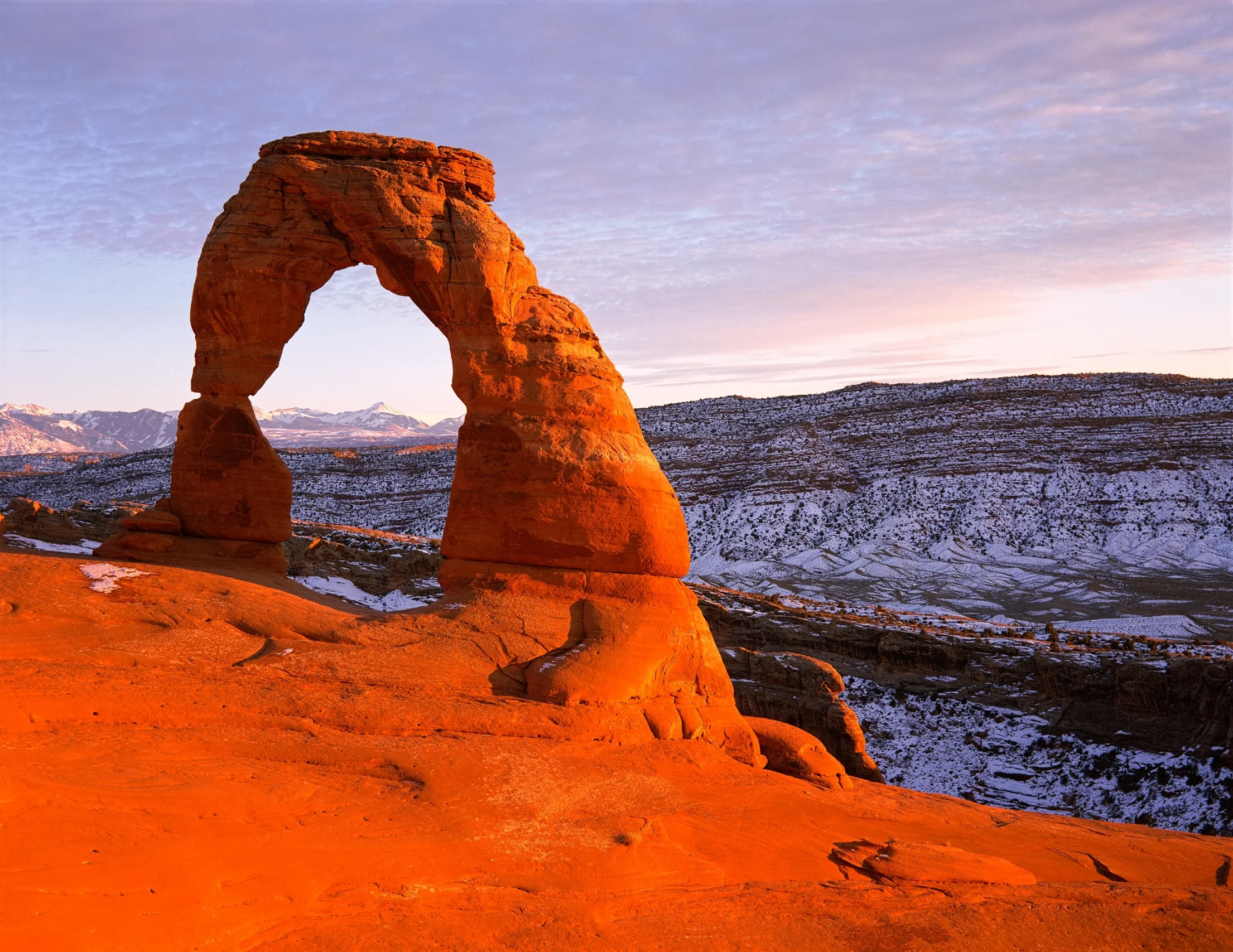
The shuttle network comprises two routes. The first, an intrapark service, links the Arches Visitor Centre with The Windows and Delicate Arch trailheads—two of the park's most iconic and heavily visited sites. The second, a downtown route, connects the Visitor Centre with four stops in Moab, including the Transit Hub and the Moab Information Centre. Visitors can leave their vehicles at designated lots in downtown Moab or at Lions Park and ride the shuttle from there, or drive directly to the Arches Visitor Centre to board the intrapark route.
Shuttles operate daily from 8:00 am, with departures every 15 to 30 minutes depending on demand. The last shuttle leaves the Delicate Arch Trailhead at 4:05 pm, and the final return from the Arches Visitor Centre to town departs at 5:10 pm. While the shuttle itself is free, riders must hold a valid National Park pass, which drivers will check at pickup points. This requirement ensures that the service remains sustainable and aligns with park entry fees.
Addressing visitor pressure
Arches National Park draws approximately 2.5 million visitors annually, a figure that has surged in recent years, putting immense strain on its limited road network and parking areas. During peak seasons, the park frequently reaches capacity, forcing temporary closures and turning away thousands of visitors. The Moab Office of Tourism, which spearheaded the shuttle initiative, sees the service as a critical tool to manage this influx while enhancing the overall visitor experience.
“We’re excited to offer a seamless, sustainable way for visitors to explore Arches without the stress of finding a parking spot,” said a spokesperson for the Moab Office of Tourism. “This pilot is a direct response to the feedback we’ve received from travelers and local businesses alike.” The initiative also aligns with broader efforts by the National Park Service to promote alternative transportation options at high-traffic parks, similar to programs at Zion and Yosemite.
The shuttle service is expected to benefit not only park visitors but also Moab’s hospitality and tourism sectors. By encouraging visitors to park in town, the service could drive foot traffic to local restaurants, shops, and hotels. For travel professionals, the shuttle adds a new logistical consideration when planning itineraries for clients visiting the region. Agents and tour operators should note that the shuttle is free but requires a park pass, and that schedules are subject to change during the pilot period.
Moab’s move comes as destinations worldwide grapple with overtourism and seek innovative mobility solutions. In Asia, for example, Tokyo Skytree has added airport shuttles to ease visitor access, while Thailand is consolidating its tourism services into a unified digital hub. These efforts reflect a growing recognition that seamless, sustainable transport is key to maintaining destination appeal.
For now, Moab’s shuttle is a pilot, but its success could pave the way for permanent transit solutions in the region. The Moab Office of Tourism will monitor ridership and visitor feedback closely, with an eye toward refining routes and schedules. Travel advisors should stay informed about the shuttle’s performance, as it may influence how they recommend clients explore Arches in the coming seasons.
As the travel industry increasingly prioritizes sustainable practices, initiatives like Moab’s shuttle serve as a model for balancing visitor access with environmental stewardship. The park’s iconic red-rock landscapes and delicate arches are a finite resource, and thoughtful management is essential to preserve them for future generations.