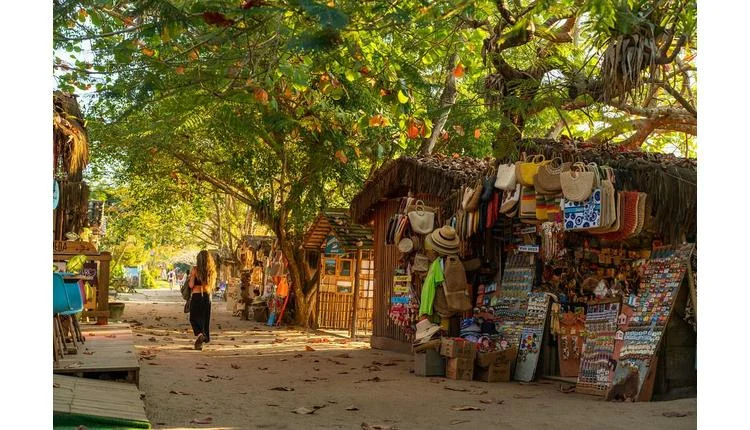
Seven Brazilian destinations are in the running for UN Tourism's Best Tourism Villages 2026, a global initiative that celebrates rural communities leveraging tourism for sustainable development. The candidates—Araçá, Conceição de Ibitipoca, Delfinópolis, Holambra, Lençóis, São José do Barreiro, and Vila Flores—are among 268 villages from around the world vying for recognition. The final results will be unveiled in December in Buenos Aires, Argentina.
Tourism as a driver of local economies
These villages exemplify how tourism can bolster local economies while preserving cultural heritage and generating employment. For instance, Araçá, located in the southern state of Santa Catarina, thrives on artisanal fishing, offering visitors an authentic glimpse into coastal traditions. Holambra, in São Paulo state, is renowned for its flower cultivation and holds the title of Brazil's National Capital of Flowers, attracting thousands of visitors to its annual Expoflora festival.
Lençóis, in Bahia, serves as the primary gateway to the Chapada Diamantina National Park, a magnet for adventure travelers drawn to its waterfalls, canyons, and hiking trails. The village's colonial architecture and vibrant cultural scene add to its appeal, making it a standout among Brazil's tourism offerings.
The Best Tourism Villages initiative, launched in 2021, has received over 1,000 applications from 100 countries. It recognizes communities that use tourism to protect heritage and improve local livelihoods. Eligible villages must have a population of up to 15,000 and demonstrate engagement in activities such as agriculture, forestry, or fishing, along with a commitment to preserving cultural values.
Brazil has previously seen two villages earn this distinction: Testo Alto in Santa Catarina, known for its German heritage, and Antônio Prado in Rio Grande do Sul, which celebrates Italian traditions. With this year's entries, Brazil has submitted a total of 27 villages since the award's inception, underscoring the country's rich rural diversity.
The recognition offers significant benefits for these communities, including enhanced global visibility and potential growth in tourism arrivals. For travel professionals, the award serves as a marker of destinations that offer authentic, sustainable experiences—an increasingly important factor for discerning travelers.
As the competition heats up, the selected villages will be showcased at the UN Tourism General Assembly in Buenos Aires, providing a platform for international exposure. The initiative aligns with broader trends in the travel industry, where travelers are seeking off-the-beaten-path experiences that support local economies.
For more on how UNESCO recognition is boosting tourism appeal in other regions, see similar recognition in Japan. And for insights into how destinations are leveraging global awards, check industry award opportunities.
The announcement in December will be closely watched by tourism boards and operators across Latin America, as the award can significantly elevate a village's profile in the competitive global market.