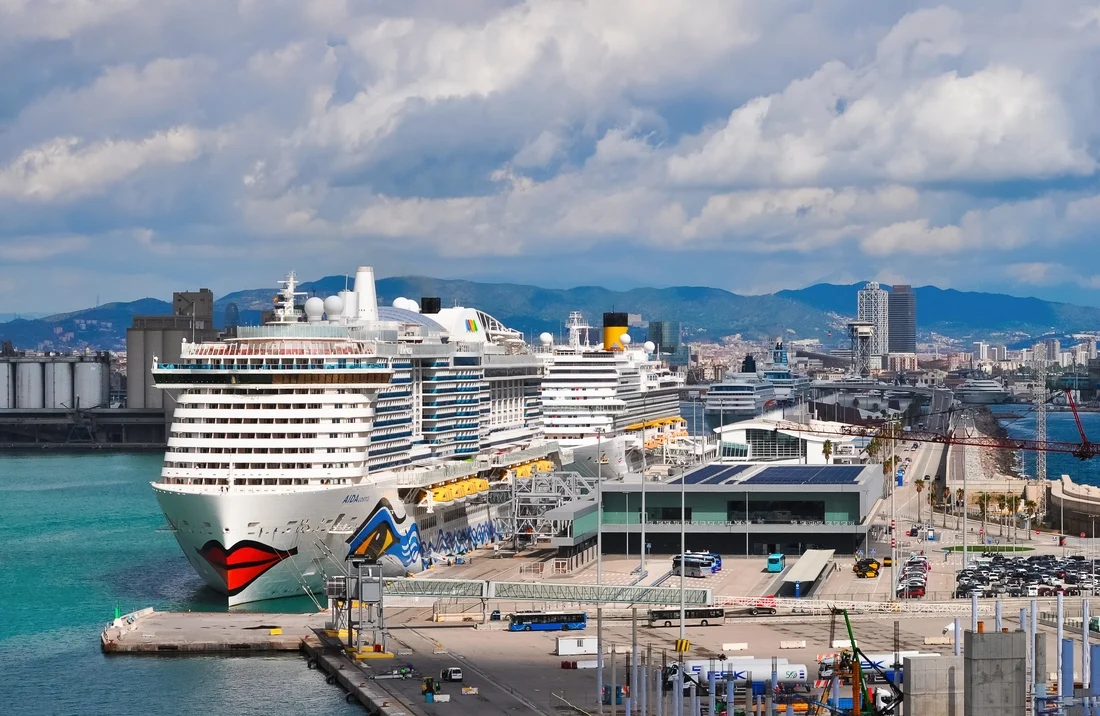
The World Travel & Tourism Council (WTTC) has formally urged Barcelona's municipal government to reconsider its proposed increase in the tourist tax for short-stay cruise passengers. The organization warns that the measure could undermine the city's standing as a leading cruise homeport and reduce the sector's economic contributions.
Gloria Guevara, President and CEO of WTTC, stated that sudden tax increases often fail to achieve their intended sustainability goals and instead lead to shifts in traveler spending patterns. "Rather than implementing these taxes, we recommend the local government to work closely with the tourism sector to find balanced solutions that support both the city's sustainability goals and its vital economic interests," she said.
Economic Impact at Stake
Barcelona currently welcomes approximately 4 million cruise passengers annually. Each homeport passenger spends an average of $270 (€255) locally, contributing significantly to the city's retail, hospitality, and transport sectors. In 2024, the cruise industry generated $12.6 million (€11.9 million) in taxes for the Barcelona City Council.
The WTTC cautions that additional costs could deter visitors, potentially leading to job losses and reduced local employment. The cruise sector supports thousands of jobs across the region, from port operations to tour operators and hotel staff.
Guevara emphasized the importance of long-term, sustainable growth through effective planning and stakeholder engagement. "Sustainable tourism requires robust planning and meaningful consultation with the travel industry to protect local infrastructure whilst maintaining economic prosperity," she added.
The WTTC has offered to collaborate with local and international stakeholders to ensure Barcelona remains a thriving and competitive global hub. The organization stresses that any policy changes should be developed in partnership with industry players, including cruise lines such as Royal Caribbean, MSC Cruises, and Costa Cruises, as well as travel agents and tour operators who rely on Barcelona as a key Mediterranean gateway.
This debate comes as other destinations, including Venice and Amsterdam, have also introduced or considered similar taxes on cruise passengers. However, the WTTC argues that Barcelona's unique position as a homeport—where passengers begin and end their voyages—makes it particularly vulnerable to negative economic impacts from such measures.
For travel professionals, the outcome of this policy will have implications for Mediterranean cruise itineraries and the broader tourism ecosystem. The WTTC's intervention underscores the need for balanced approaches that address overtourism concerns without sacrificing economic benefits.
Related reading: Maldives Resorts Hold Rate Integrity as Experiential Travel Demand Surges and Hotel Arts Barcelona Skyline Suites Offer Prime Views of Sagrada Família Completion.