Wuhan, the capital of Hubei province and a major transport hub in central China, is currently hosting the 2026 World Youth Development Forum from 15 to 17 June. The event is designed to draw young professionals, entrepreneurs, and academics from around the world by showcasing the city’s capabilities in technology, education, and culture. For travel industry professionals, the forum signals Wuhan’s ambition to position itself as a competitive MICE destination and a gateway for business travel in the region.
Wuhan’s Tech and Education Ecosystem
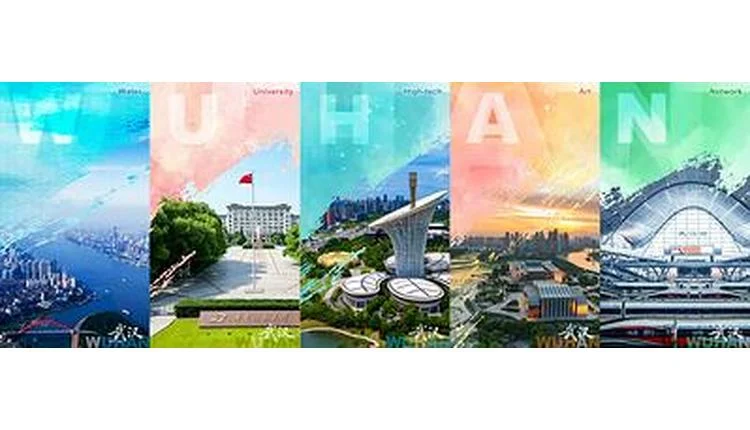
Wuhan’s identity is often summarized by the acronym WUHAN: Water, University, High-tech, Art, and Network. The city sits on the Yangtze River and boasts 165 rivers and 166 lakes, offering a natural environment that appeals to both leisure and business travelers. It is home to 95 higher education institutions, including Wuhan University, and ranks fourth in China for the number of academicians. The city’s innovation credentials include the world’s first Beidou high-precision chip, developed locally.
The Optics Valley of China, located in Wuhan, is a global center for optical fibers, cables, and optoelectronic devices. Industries such as optoelectronic information and biomedicine are approaching the trillion-yuan mark, making Wuhan a key destination for tech-focused business events. The forum’s delegates will tour innovation platforms and cultural heritage sites, providing a model for how destinations can blend technology tourism with traditional attractions.
Transport Connectivity and MICE Appeal
Wuhan’s status as a transportation hub is a major draw for event organizers. The city connects 80% of China’s major cities within a four-hour high-speed rail journey, and its international airport serves routes across Asia and beyond. This connectivity, combined with the city’s growing portfolio of convention facilities, positions Wuhan to compete with established MICE destinations like Beijing and Shanghai. The forum itself includes activities that highlight Wuhan’s support for youth innovation, from startup showcases to cultural immersion programs.
For hoteliers and tour operators, the forum represents an opportunity to tap into the youth travel segment, which increasingly values experiences tied to education and technology. The event also aligns with broader trends in the APAC region, where destinations are leveraging MICE to drive tourism growth. As noted in a recent report, APAC hotels are outperforming globally with record rate growth, and Wuhan’s proactive approach could further boost its hospitality sector.
Cultural and Event Programming
Beyond technology, Wuhan is positioning itself as a cultural beacon. The city hosts over 40,000 events annually, blending ancient heritage with modern attractions. The forum’s cultural component includes visits to historical sites and traditional Chinese art performances, offering delegates a taste of local culture. This mix of innovation and tradition is a selling point for travel agents and tour operators looking to create unique itineraries for corporate groups or incentive travel.
For airlines, the forum could stimulate demand on routes to Wuhan. While the event itself is not expected to generate the same scale as the FIFA World Cup 2026, which is already driving early bookings from markets like Singapore—Singapore fans are booking early for Vancouver and New York—it does contribute to a steady pipeline of business travel. Wuhan’s efforts to attract global youth also mirror initiatives by other destinations, such as Thailand’s focus on wellness tourism, which underscores the importance of niche events in driving travel demand.
As the forum concludes, travel industry stakeholders should watch for follow-up announcements regarding new routes, hotel developments, or partnerships that could emerge from Wuhan’s outreach. The city’s investment in youth-focused events is a clear signal of its intent to become a major player in the global MICE and tourism landscape.