Geopolitical shifts and economic volatility typically dominate travel industry risk assessments. Yet a quieter crisis is eroding the very foundation of cultural tourism: the physical decay of our shared heritage. From the Acropolis in Athens to the temples of Angkor Wat, iconic monuments are suffering structural damage, pollution, and the wear of millions of visitors each year.
When masterpieces like Leonardo da Vinci's Last Supper or the frescoes of the Sistine Chapel deteriorate, destinations lose more than aesthetic value. They risk economic destabilization. Cultural tourism relies on emotional resonance and visual authenticity. When conservation fails, the visitor experience collapses, and the financial consequences ripple through the entire travel ecosystem.
The high cost of neglect
Spain's infamous "Monkey Christ" fresco restoration in Borja drew curious crowds, but widespread amateurism permanently damages a region's prestige. Acid rain blackens marble facades in Rome, soot obscures Renaissance paintings in Florence, and humidity from visitor breath erodes ancient murals in the Ajanta Caves. Discerning travelers increasingly feel the reality no longer justifies the journey.
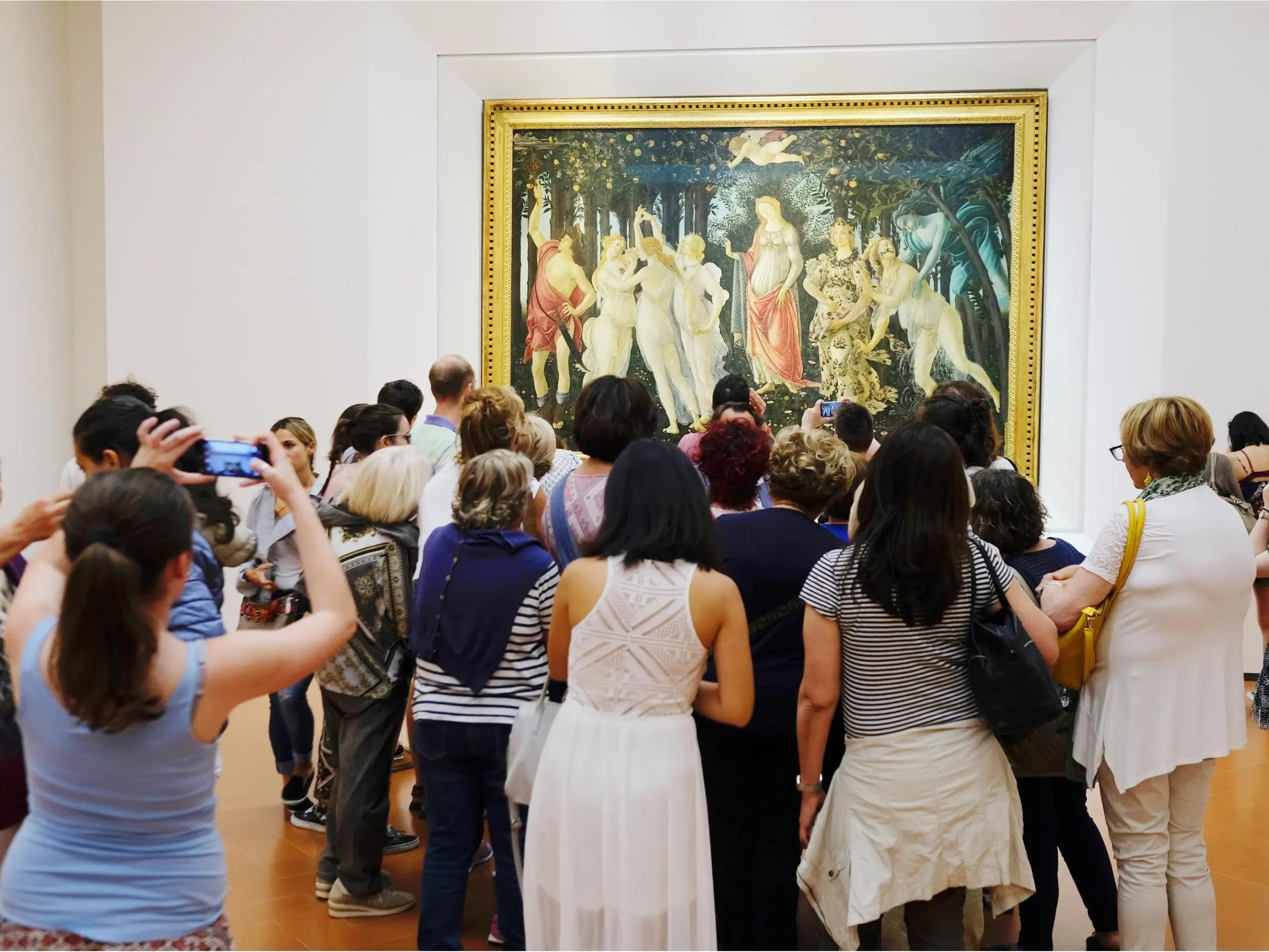
The immediate repercussions include forced closures and reduced access. Urgent, reactive conservation often mandates closing entire museum wings or shrouding monuments in scaffolding for years. The Uffizi Gallery in Florence, for example, has periodically closed sections for restoration, directly hurting visitor satisfaction. Ecosystem vulnerability follows: heritage anchors fuel surrounding hotels, restaurants, and local guides. When a primary draw degrades, the broader hospitality ecosystem falters. Reputational damage spreads quickly via social media and travel forums, dampening long-term destination rankings and future bookings.
To mitigate physical damage, authorities often resort to strict daily capacity caps. Machu Picchu limits visitors to 2,500 per day; the Sistine Chapel caps at 2,000. While vital for preservation, these sudden restrictions slash immediate tourism revenue, catching local operators off guard. The paradox is clear: unmanaged foot traffic accelerates the very destruction that threatens the sector.
Tourism as conservation's lifeline
Yet tourism remains conservation's most potent lifeline. When managed strategically, visitor revenue directly funds advanced, non-invasive conservation science. The restoration of Lycian sites in Antalya demonstrates how targeted investment can safeguard precious assets for generations. Similarly, Helsinki's UNESCO recognition for Aalto Works shows how heritage status can boost cultural tourism while driving conservation funding.
For travel trade professionals and destination stewards, the message is clear: art conservation is no longer merely a niche academic discipline or a back-of-house operational concern. It is a critical economic imperative, foundational to the resilience, reputation, and long-term viability of cultural destinations worldwide. Airlines, hoteliers, tour operators, and travel-tech vendors must collaborate with heritage authorities to develop sustainable visitation models that balance access with preservation.
Initiatives like Thailand's elevation of the Ubon Ratchathani Candle Procession and South Tyrol's wine tourism as cultural immersion show how cultural programming can drive revenue while protecting heritage. The industry must act now, or risk losing the very assets that draw travelers to the world's most cherished destinations.